What Is Benign Prostatic Hyperplasia (BPH) and How Do I Treat It?

Getting up two or three times a night to pee. Standing at the urinal waiting for things to get going. Feeling like you never quite finish. If that sounds familiar, you're not imagining it, and you're definitely not alone.
Benign prostatic hyperplasia (BPH) is a condition where your prostate grows larger than normal. You may also hear it called benign prostatic hypertrophy or simply an enlarged prostate. "Benign" is the key word: BPH is not cancer, and it doesn't raise your risk of prostate cancer. But since the prostate wraps around the tube that carries urine out of your body, a bigger prostate can squeeze that tube and cause annoying urinary symptoms.
The good news is that BPH is very common and very treatable. Options range from simple habit changes to medication to minimally invasive procedures. The right plan depends on how much your symptoms bother you and your overall health.
BPH can also affect your sex life, both directly and through some of the medications used to treat it. That's worth knowing up front, because it's something you can talk to a provider about.
Key Takeaways
- BPH is extremely common with age. Signs of prostate enlargement show up in about half of men over 50 and 80% to 90% of men over 70.
- It's not cancer. BPH is a noncancerous enlargement, and it isn't a risk factor for prostate cancer, though it can raise your PSA level.
- Most symptoms involve urination. Common signs include needing to go more often, waking up at night to use the bathroom, a weak or slow stream, and feeling like your bladder never fully empties.
- BPH and ED often go together. In a survey of more than 12,000 men ages 50 to 80, urinary symptoms were an independent risk factor for sexual problems, including ED.
- Treatment options are available. Lifestyle changes, medications, and procedures may help. One medication, tadalafil, is FDA-approved (as Cialis) to treat both BPH symptoms and ED.

Causes
What Causes BPH?
The short answer: nobody knows exactly. Researchers suspect aging and changes in hormone levels play the biggest roles, since BPH becomes more common as men get older.
Here's what we do know. The prostate is a walnut-sized gland that sits just below the bladder and helps make semen. Over time, the balance between new prostate cells growing and old ones dying off can shift, so the gland slowly gets bigger. On average, prostate volume grows about 2% to 2.5% per year.
Hormones are part of the story. Inside the prostate, an enzyme called 5-alpha reductase converts testosterone into a more potent hormone called dihydrotestosterone (DHT), which drives prostate growth. Interestingly, men who lose their testicles before puberty don't develop BPH, which shows how much these hormones matter. That said, having higher testosterone or DHT levels in your blood hasn't been linked to having worse BPH symptoms.
How BPH Causes Symptoms
The prostate surrounds the urethra, the tube that carries urine from your bladder out through your penis. When the prostate grows, it can block urine flow in two ways, which are known as the static and dynamic components of BPH:
- Static component (the physical squeeze): As the gland gets bigger, its bulk presses on the urethra and bladder outlet, narrowing the path urine has to travel. In some men, a part of the prostate can even act like a valve that blocks the bladder opening.
- Dynamic component (muscle tension): About 40% of enlarged prostate tissue is smooth muscle, controlled largely by alpha-1 receptors. When that muscle tightens, it squeezes the urethra even harder, regardless of how big the prostate is.
That's why some BPH treatments shrink the prostate, while others relax those muscles. It's also why prostate size doesn't always match symptom severity. Some men with very large prostates have few symptoms, while others with modest enlargement have a lot.
Risk Factors
Getting older is the biggest risk factor for BPH, but several other things can raise your odds too. These factors may increase your risk:
- Being 40 or older. BPH rarely causes symptoms before age 40, and it becomes more common as you get older.
- Family history of BPH. Men with a first-degree relative (like a father or brother) with BPH have approximately four times the risk.
- Type 2 diabetes. Diabetes, and especially insulin use, has been linked to a higher risk of BPH, urinary symptoms, and prostate surgery.
- Obesity. Excess weight is associated with BPH, possibly through inflammation and hormone changes.
- Heart and blood vessel disease
- Chronic kidney disease
- Erectile dysfunction
- Physical inactivity
Researchers have also tied metabolic syndrome (a cluster of high blood pressure, insulin resistance, and unhealthy cholesterol levels) to larger prostate size, though it hasn't been proven to cause BPH.
Notice how much that list overlaps with the risk factors for ED? That's not a coincidence, and we'll come back to it.
Medications That Can Make Symptoms Worse
Some everyday medications can aggravate BPH symptoms, including:
- Over-the-counter cold and cough medicines that contain decongestants or antihistamines
- Tranquilizers
- Antidepressants
- Diuretics (water pills)
If you think a medication is contributing to your symptoms, don't stop it on your own. Bring it up with your provider, who may be able to adjust your dose or suggest an alternative.
Symptoms
What Does BPH Feel Like?
BPH symptoms are usually grouped under the umbrella of lower urinary tract symptoms, or LUTS. Providers tend to sort them into two groups:
Storage symptoms (your bladder feels like it can't hold much):
- Needing to pee often (frequency)
- Sudden, hard-to-ignore urges to go (urgency)
- Waking up at night to urinate (nocturia)
Voiding symptoms (trouble getting urine out):
- Trouble starting to pee, or having to strain
- A weak or interrupted stream
- Dribbling at the end
- Feeling like your bladder isn't completely empty
Some men also notice pain during urination, however pain is worth getting evaluated since it can point to an infection or something else.
How Common Is BPH?
Very. It depends on whether you're counting prostate changes or bothersome symptoms:
- At the tissue level, signs of BPH appear in 50% to 60% of men in their 60s and 80% to 90% of men over 70.
- Diagnosed BPH affects about 5% to 6% of men ages 40 to 64 and 29% to 33% of men 65 and older.
- In the survey of men ages 50 to 80, 90% reported some urinary symptoms, but only 19% had sought medical help for them.
That last statistic speaks volumes. Many men treat waking up to pee as part of getting older and never mention it. You don't have to settle.
Can BPH Lead to Complications?
For most men, BPH is a quality-of-life issue rather than a dangerous one. But if it goes unmanaged, it can sometimes lead to complications like:
- Urinary retention (being unable to empty your bladder)
- Urinary tract infections
- Bladder stones
- Blood in the urine
- Kidney damage
Get medical care right away if you can't urinate at all, have painful, frequent, urgent urination with fever and chills, see blood in your urine, or have severe pain in your lower belly or urinary tract.
BPH and Your Sex Life
Is There a Link Between BPH and ED?
Yes, and it's a strong one. In the Multinational Survey of the Aging Male, researchers looked at 12,815 men ages 50 to 80 in the US and Europe. They found that both the presence and severity of urinary symptoms were independent risk factors for sexual problems, including ED, reduced ejaculation, and painful ejaculation. That link held up even after accounting for diabetes, high blood pressure, heart disease, and high cholesterol.
Part of the overlap comes from shared risk factors. Age, diabetes, obesity, heart disease, and inactivity raise the risk of both conditions, and ED itself is a risk factor for BPH. On top of that, the broken sleep that comes with frequent nighttime bathroom trips, along with the everyday frustration of managing urinary symptoms, can leave you feeling tired and less in the mood for sex.
How BPH Treatments Can Affect Sex
This is the part many men don't hear about until after they've started treatment. Some common BPH treatments can have sexual side effects:
- Alpha-blockers (like tamsulosin) commonly cause ejaculation problems, along with dizziness and low blood pressure.
- 5-alpha reductase inhibitors (like finasteride) can cause trouble getting or keeping an erection, lower sex drive, and ejaculation problems, including less semen. In some men, these effects may continue after stopping the medication.
- Prostate surgery can lead to sexual side effects, such as retrograde ejaculation (semen flowing back into the bladder instead of out). Some newer, less invasive procedures are designed to better preserve erections and ejaculation.
None of this means you should avoid treatment. It means your sex life deserves a seat at the table when you and your provider pick a plan. If sexual function is a priority for you, be sure to say so.
Diagnosis
When Should You See a Medical Provider?
Make an appointment if urinary symptoms are bothering you, disrupting your sleep, or represent a change from what's normal for you. Even mild symptoms are worth mentioning at your next checkup, since other conditions, including infections and prostate cancer, can cause similar problems.
Useful details to share include:
- Which symptoms you have and how long you've had them
- How many times you get up at night to pee
- How much fluid, caffeine, and alcohol you typically drink
- Any medications or supplements you take
- Any changes in erections, ejaculation, or sex drive
- Whether anyone in your family has had prostate problems
How Is BPH Diagnosed?
For most men, diagnosis starts with a conversation and a quick exam. A provider will typically:
- Take your medical history, including your symptoms, medications, and family history of prostate problems
- Do a physical exam, which usually includes a digital rectal exam (a gloved finger is used to feel the prostate for size and shape)
- Order a urinalysis to check for infection or blood in the urine
Many providers also use a short questionnaire called the International Prostate Symptom Score (IPSS), to rate how severe your symptoms are and track how they change over time. A score of 10 or higher generally suggests treatment is worth considering.
Depending on your situation, you might also have:
- A PSA blood test, which can be elevated in BPH as well as prostate cancer. It's recommended before starting certain BPH medications or surgery to help rule out cancer.
- A post-void residual test, which measures how much urine is left in your bladder after you pee
- Uroflowmetry, which measures how strong your urine stream is
- Further testing with a urologist, such as urodynamic tests, cystoscopy, or a transrectal ultrasound, when the cause isn't clear or symptoms are severe
Treatments
Here's the encouraging part: BPH is very manageable, and you have options. The right approach depends on how much your symptoms bother you, the size of your prostate, your other health conditions, and what matters most to you, including your sex life.
Watchful Waiting and Lifestyle Changes
If your symptoms are mild and not affecting your quality of life, your provider may suggest watchful waiting: yearly checkups plus a few habit changes, such as:
- Cutting back on fluids in the hours before bed
- Limiting alcohol and caffeine
- Staying physically active
- Not holding in urine for long stretches
Losing excess weight and pelvic floor exercises may also be part of the plan. Keep an eye on things, though. In one observational study, about 31% of men on watchful waiting saw their condition progress over four years.
Medications
When symptoms are more bothersome, medication is usually the next step. The main options include:
- Alpha-blockers (such as tamsulosin, alfuzosin, and silodosin): These relax the muscles of the prostate and bladder neck so urine flows more easily. They work fast, with effects peaking within about 72 hours, but they don't shrink the prostate.
- 5-alpha reductase inhibitors (such as finasteride and dutasteride): These block the production of DHT to slow or reverse prostate growth. They work best for larger prostates and can take at least six months to improve symptoms.
- PDE5 inhibitors (tadalafil): The same class of medication used for ED can relax muscles in the bladder, bladder neck, and prostate. Tadalafil 5 mg taken once daily is FDA-approved (as Cialis) for BPH symptoms and for men who have both BPH and ED. Its effect on urinary symptoms is roughly comparable to tamsulosin.
- Combination therapy: Pairing an alpha-blocker with a 5-alpha reductase inhibitor or a PDE5 inhibitor with a 5-alpha reductase inhibitor may work better than either alone. A combination pill containing finasteride and tadalafil, known as Entadfi, is also available.
- Bladder-focused medications (antimuscarinics and beta-3 agonists): These may be added for men with strong urgency and frequency.
One important safety note: tadalafil is not recommended in combination with alpha-blockers for treating BPH, because the combination hasn't been adequately studied and can lower blood pressure. Like all PDE5 inhibitors, it should never be taken with nitrates.
Minimally Invasive Procedures
If medication isn't enough or causes unwanted side effects, minimally invasive procedures may help. Two common options are water vapor therapy, which uses steam to shrink prostate tissue, and the prostatic urethral lift, which uses small implants to hold the prostate away from the urethra. Both are associated with preserved sexual function and ejaculation.
Surgery
Surgery may be recommended when symptoms are severe, medications don't work, or complications develop. Transurethral resection of the prostate (TURP) has long been considered the gold standard, and laser and robotic options are also available. Surgery can relieve symptoms, but about 10% of men need another procedure within 20 years.
A Word of Caution About Supplements
You'll find plenty of "prostate support" supplements, like saw palmetto, on store shelves. However, no prepared dietary supplement has been proven to help BPH in well-designed randomized trials. Talk to your provider before starting one, and let them know about any supplements you already take.
Prevention
Can You Prevent BPH?
Not entirely. Since BPH is so closely tied to aging and hormones, there's no proven way to stop it from happening. But you can take steps that may lower your risk or keep symptoms more manageable.
Several risk factors for BPH, like obesity, type 2 diabetes, heart disease, and physical inactivity, are within your control. Habits that may help include:
- Staying physically active
- Maintaining a healthy weight
- Keeping blood sugar, blood pressure, and cholesterol in check
- Limiting alcohol and caffeine, which may worsen urinary symptoms
- Eating a diet rich in fruits and vegetables. Nutrients like beta-carotene and vitamin A appear to have a protective association with BPH, though more research is needed
- Keeping up with regular checkups so changes get caught early
Here's a bonus: those same habits are good for your heart and your erections, too.
Where BlueChew Fits In
When ED Is Part of the Picture
BlueChew doesn't treat BPH, and does not replace a proper evaluation of your urinary symptoms. If you have trouble peeing, get that checked by a provider who can examine you and rule out other causes.
But since BPH and ED so often show up together, many men managing prostate symptoms are also dealing with erection problems, whether from BPH itself, shared risk factors, or the side effects of BPH medications. If that sounds like you, ED treatment may be worth discussing.
BlueChew is a telehealth service that connects eligible patients with licensed medical providers who can decide whether prescription PDE5 inhibitor treatment for ED is right for them. Here's how it works:
- You complete an online intake about your symptoms, health history, and current medications.
- A licensed provider reviews your information.
- If treatment is appropriate, the provider writes a prescription.
Why Your BPH Medications Matter Here
Be sure to list every medication you take during your intake, especially those for BPH, including alpha-blockers, like Doxazosin, Prazosin, and Terazosin, . PDE5 inhibitors and alpha-blockers can both lower blood pressure, so extra caution is needed when they're combined. A provider can help you sort out what's safe.
BlueChew's Tadalafil Options
Tadalafil is the active ingredient in Cialis, which is FDA-approved to treat ED, BPH symptoms, and both conditions together. BlueChew offers several tadalafil-containing options for ED, including:
- TAD: 9 mg tadalafil sublingual tablet, from $4.47/tablet, may begin working within 15 minutes, lasting up to 36 hours
- DailyTAD: 9 mg tadalafil plus 7 essential vitamins, like Vitamin A,B6, B9, B12, C, D3, and E in a convenient chewable tablet designed for daily use, from $2.23/tablet, lasting up to 36 hours
- MAX: 45 mg sildenafil + 18 mg tadalafil combo sublingual tablet, $5.63/tablet, lasting up to 36 hours
- VMAX: 14 mg vardenafil + 18 mg tadalafil combo sublingual tablet, $5.63/tablet, lasting up to 36 hours
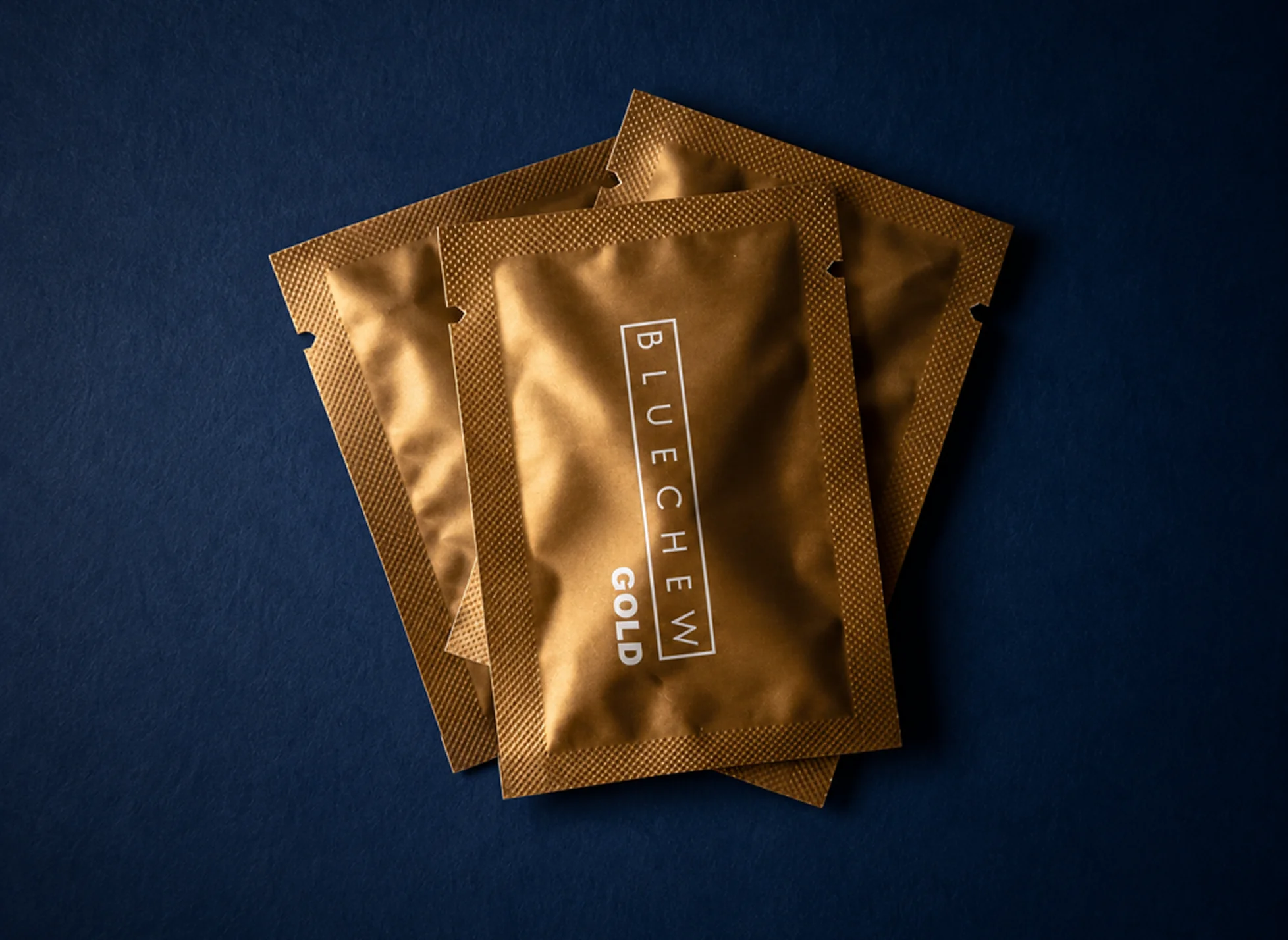
- GOLD: sildenafil, tadalafil, oxytocin, and apomorphine sublingual tablet, from $7.30/tablet, lasting up to 36 hours
BlueChew medications are compounded, which means they are not FDA-approved, and they're prescribed for ED, not BPH. They aren't the same as brand-name Cialis or its FDA-approved 5 mg daily dose for BPH. If you want treatment for your urinary symptoms, talk with your primary care provider or a urologist.
Not sure which ED option fits your needs? Take this quick quiz to learn more. Everything ships in unmarked packaging, and subscriptions can be paused, adjusted, or canceled anytime.
Final Thoughts
BPH is one of the most common health conditions men face as they get older. It isn't cancer, it's very treatable, and you don't have to accept constant bathroom trips as your new normal.
Start by paying attention to your symptoms and bringing them up with a provider. And don't leave your sex life out of the conversation. Whether it's ED that showed up alongside your urinary symptoms or side effects from a BPH medication, there are options that can help you feel more like yourself, in and out of the bedroom.
FAQs
Is BPH the same as prostate cancer?
No. BPH is a noncancerous enlargement of the prostate, and it isn't considered a risk factor for prostate cancer. But the two can cause similar symptoms and can both raise your PSA level, so it's important to get evaluated rather than assume it's "just BPH."
Can BPH cause erectile dysfunction?
They're closely linked. In a large survey, men with urinary symptoms were more likely to report sexual problems, including ED, and the more severe the symptoms, the stronger the link. Shared risk factors like age, diabetes, and heart disease play a role, and some BPH medications can affect erections and ejaculation, too.
Can BPH go away on its own?
BPH doesn't usually reverse on its own, since the prostate tends to keep growing with age. However, symptoms can stay mild for years, and many men manage well with lifestyle changes and regular checkups. If symptoms get worse, treatment can help.
Is tadalafil approved to treat BPH?
Yes. Tadalafil, sold under the brand name Cialis, is FDA-approved at 5 mg once daily to treat BPH symptoms, as well as for men who have both BPH and ED. BlueChew's tadalafil products are compounded, are not FDA-approved, and are prescribed for ED, not BPH.
Can I take ED medication if I'm on an alpha-blocker for BPH?
Possibly, but only with a provider's guidance. PDE5 inhibitors and alpha-blockers can both lower blood pressure, and the combination isn't recommended for treating BPH. Always tell your provider about every medication you take so they can decide what's safe for you.
Will BPH treatment affect my sex life?
It can. Alpha-blockers commonly cause ejaculation problems, and 5-alpha reductase inhibitors can cause lower sex drive, erection problems, and less semen. Some surgeries can cause retrograde ejaculation. If sexual function is a priority for you, be sure to tell your provider so they can factor it into your treatment plan.
Does drinking less water help BPH?
Cutting back on fluids in the hours before bed may reduce nighttime bathroom trips. But don't cut back on fluids overall without talking to your provider, since staying hydrated still matters for your health.
BLUECHEW EDITORIAL STANDARDS
This article is provided for informational purposes only and does not constitute medical advice. The information presented is not a substitute for professional medical advice, diagnosis, or treatment. Always consult your healthcare provider to discuss the risks, benefits, and appropriateness of any treatment.
BlueChew offers access to healthcare providers who may prescribe compounded medications for the treatment of erectile dysfunction.
The featured products include compounded medications that have not been approved by the FDA. Compounded medications may be prescribed under federal law but are not the same as, nor are they generic versions of, any FDA-approved medication. The FDA does not review compounded medications for safety, effectiveness, or manufacturing quality of compounded products. A prescription will only be written if deemed appropriate after the digital consultation by the licensed medical provider. Individual results may vary.
BlueChew is not a compounding pharmacy but a telemedicine service that links patients to licensed medical providers.
RELATED ARTICLES



Have Better Sex
- 100% online process
- No office visit required
- Discreet shipping, if prescribed
*Prescription products require an online review by a licensed provider. Restrictions apply.

 Medically reviewedEvery article is reviewed by a licensed provider on the BlueChew medical team.