How to Mention ED Without Hurting His Ego

The best way to bring up erectile dysfunction (ED) with your partner is in a calm, private moment away from the bedroom, starting with reassurance and using "we" language so it feels like something you'll face together, not a criticism.
When erections become less reliable, the physical change is often easier to deal with than the conversation about it. You may worry about embarrassing him, or wonder whether it means something about your relationship. It usually doesn't. ED is a common health concern that can have physical, psychological, and relational effects, and it's very treatable. This guide covers what to say, what to avoid, what to do if he shuts down, and how to explore treatment together.
Key Takeaways
- ED is common and usually has physical, psychological, or medication-related causes. It's rarely about attraction.
- Bring it up during a calm, private moment, not during or right after sex.
- Lead with reassurance and use "we" language so the conversation feels collaborative.
- If he gets defensive or shuts down, give him space and come back to it later.
- Keep intimacy alive in ways that don't depend on erections.
- Online treatment can make the next step private and simple. BlueChew offers seven prescription formulas after a provider review.

Understanding Erectile Dysfunction
Erectile dysfunction is repeated difficulty getting or keeping an erection firm enough for satisfying sex. An occasional off night is normal. When it keeps happening, it's worth talking about, both with each other and with a healthcare provider.
ED isn't a character flaw, and it isn't a measure of attraction, desire, or how healthy your relationship is.
What Causes ED?
Many men have more than one contributing factor.
Physical factors: heart and blood vessel health, diabetes, high blood pressure, hormonal changes, medication side effects, neurological conditions, low physical activity, and poor sleep.
Psychological factors: performance anxiety, stress, depression, general anxiety, relationship tension, fear of disappointing a partner, and past negative sexual experiences.
One difficult experience can start a cycle: he worries it will happen again, and that pressure makes it harder to relax next time.
Common ED Myths
Myth: ED means he isn't attracted to you.
Reality: ED can happen even when attraction is strong. Health, stress, medications, anxiety, and fatigue can all play a role.
Myth: ED is all in his head.
Reality: Psychological factors can contribute, but physical causes are common, and many men have a mix of both.
Myth: He should handle it on his own.
Reality: ED affects both partners emotionally. Support can lower the pressure and make treatment feel more approachable.
How To Bring Up ED Gently
How you raise it matters as much as what you say.
Choose the Right Moment
Avoid bringing up ED during or right after sex, when he's likely to feel most vulnerable. Instead, pick a time when you're both calm, in private, not rushed, and not in the bedroom. A walk, a quiet evening at home, or a drive can feel less loaded than a conversation in bed.
Start With Reassurance
Lead with care before you name the issue, so he knows you're not blaming him or questioning his masculinity.
- "I love you, and I miss feeling close."
- "I care about your health."
- "You don't have to deal with this alone."
Use "We" Language
| Instead of | Try |
|---|---|
| "You can't perform anymore." | "I've noticed things feel different lately." |
| "You need to fix this." | "Can we look at options together?" |
| "Are you not attracted to me?" | "I want to understand what you're feeling." |
Conversation Starters
If you're not sure how to open, try one of these and adjust it to sound like you:
- If it's been happening for a while: "I've noticed sex has been stressful for you lately. I'm not upset, I just want to understand and help."
- If you're worried about his health: "I read that erection changes can sometimes be linked to heart health. Would you be open to checking in with a doctor?"
- If he's been avoiding intimacy: "I miss being close to you. Is something on your mind?"
- If you want to suggest treatment: "A lot of guys deal with this, and it's really treatable. Want to look at options together?"
What Not To Say
Even well-meant comments can hurt if they sound blaming or impatient. Avoid:
- "What's wrong with you?"
- "Just take something."
- "This never used to happen."
- "Is it me?" (asked in a way that makes him reassure you instead of talking about himself)
- Jokes about it, especially around friends
If you feel hurt or rejected, it's okay to say so gently. Just keep the focus on connection, not blame.
What If He Gets Defensive or Shuts Down?
It's common for a first conversation not to go well. He may deny there's a problem, change the subject, or get irritated. That usually comes from embarrassment, not a lack of caring.
- Don't push. Say something like, "Okay. I'm here whenever you want to talk," and let it go for now.
- Come back to it later. A few days or a week later, try again in a different setting.
- Lower the stakes. Share an article, or mention that ED is common and treatable, without making it a big talk.
- Focus on health. Some men find it easier to talk about seeing a doctor for their overall health than about sex.
- Consider outside help. If ED is causing ongoing tension, a couples or sex therapist can help you both talk about it.
What To Do When It Happens in the Moment
If he loses his erection or can't get one during sex, your reaction in that moment matters most.
- Stay calm and warm. A simple "It's okay, I still love being close to you" goes a long way.
- Don't stop touching. Keep cuddling, kissing, or switch to other kinds of pleasure.
- Don't analyze it right then. Save the bigger conversation for another time.
- Don't take it personally. It's rarely about you, and reacting with hurt can add to the pressure next time.
Keeping Intimacy Alive
While you work through ED, intimacy doesn't have to stop. ED can affect quality of life for both partners, so staying close helps you both.
Penetrative sex is only one part of intimacy. When it's the only goal, pressure builds fast. Other ways to stay close include kissing, cuddling, massage, sensual touch, oral sex, manual stimulation, and simply spending quality time together.
Talking about pleasure, not performance, also helps:
- "What feels good right now?"
- "Do you want to slow down?"
- "How can I help you relax?"
How To Support Him Through Treatment
Once he's open to it, you can help make treatment feel like a shared step. If you're married, our wife's guide to helping your husband with ED goes deeper, including how ordering treatment works.
- Encourage a checkup. ED can sometimes be an early sign of heart disease or other conditions, so it's worth getting checked.
- Explore options together. Look at treatments side by side, without pressuring him to pick one.
- Be patient. The first medication or dose isn't always the right one, and that's normal.
- Keep the pressure off. Treatment helps most when sex doesn't feel like a test.
Exploring Treatment Options Together
Most prescription ED medications are PDE5 inhibitors, which support blood flow to the penis during sexual arousal. They don't cause automatic erections; arousal is still needed. In clinical trials, 67–89% of men taking PDE5 inhibitors had improved erections.
Online treatment can make this step easier for men who feel uncomfortable discussing sex in person. With BlueChew, he completes an online intake, a licensed provider usually reviews it within 24 hours, and approved orders ship discreetly within 24 hours.
BlueChew offers seven formulas. All are sublingual tablets that dissolve under the tongue and typically start working within 15–30 minutes, except DailyTAD, which is a chewable taken once a day:
- SIL: 45 mg sildenafil (the active ingredient in Viagra), lasts up to 4–6 hours
- VAR: 8 mg vardenafil (the active ingredient in Levitra), lasts up to 4–6 hours
- TAD: 9 mg tadalafil (the active ingredient in Cialis), lasts up to 36 hours
- MAX: sildenafil + tadalafil, lasts up to 36 hours
- VMAX: vardenafil + tadalafil, lasts up to 36 hours
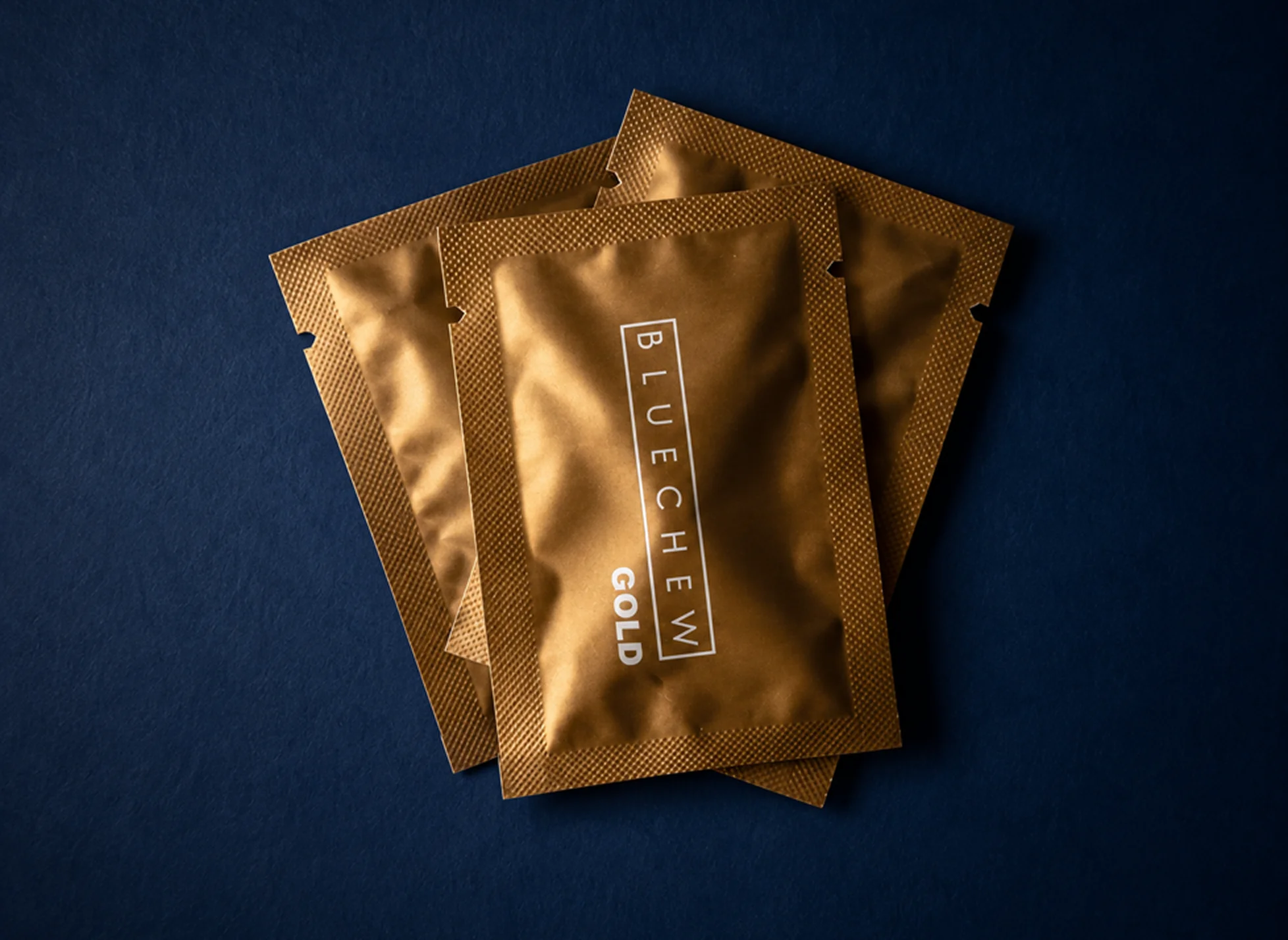
- GOLD: sildenafil, tadalafil, apomorphine, and oxytocin, lasts up to 36 hours
- DailyTAD: 9 mg tadalafil plus 7 essential vitamins, taken daily
If you're deciding together, think about timing (planned vs. spontaneous), how long you want it to last, and his health history. A provider can help him choose. See the side-by-side comparison of BlueChew's formulas or how BlueChew works.
FAQs
How do I bring up ED with my partner without hurting his feelings?
Choose a calm, private moment away from the bedroom and start with reassurance, like "I love you and I miss feeling close." Use "we" language and make it clear you care about his health and your connection, not his performance.
Does ED mean he's not attracted to me?
Usually not. ED is most often caused by physical factors like blood flow, diabetes, or medication side effects, or by stress and anxiety. It can happen even when attraction is strong.
What should I do if he won't talk about it?
Don't push. Let him know you're there when he's ready, then try again later in a different setting. Framing it as a health conversation, or suggesting a couples therapist, can also help.
What should I say when it happens during sex?
Keep it warm and simple: "It's okay, I still love being close to you." Keep touching and connecting in other ways, and save the bigger conversation for later.
Can ED be treated?
Yes. Prescription PDE5 inhibitors like sildenafil, tadalafil, and vardenafil help most men, and lifestyle changes like better sleep, regular exercise, and less alcohol can also help. A provider can recommend the right option.
Can he get ED treatment online?
Yes. With BlueChew, he completes an online intake and a licensed provider usually reviews it within 24 hours. If treatment is appropriate, his prescription ships discreetly within 24 hours. See our guide to erectile dysfunction treatment online.
How quickly does BlueChew work?
BlueChew's sublingual formulas typically start working within 15–30 minutes. Sildenafil and vardenafil formulas last up to 4–6 hours, and tadalafil formulas last up to 36 hours.
Can lifestyle changes help ED?
They can, especially when ED is linked to heart health, stress, sleep, alcohol, smoking, or weight. Regular exercise, better sleep, stress management, and heart-healthy eating all support erectile health, and work best alongside medical guidance.
BLUECHEW EDITORIAL STANDARDS
This article is provided for informational purposes only and does not constitute medical advice. The information presented is not a substitute for professional medical advice, diagnosis, or treatment. Always consult your healthcare provider to discuss the risks, benefits, and appropriateness of any treatment.
BlueChew offers access to healthcare providers who may prescribe compounded medications for the treatment of erectile dysfunction.
The featured products include compounded medications that have not been approved by the FDA. Compounded medications may be prescribed under federal law but are not the same as, nor are they generic versions of, any FDA-approved medication. The FDA does not review compounded medications for safety, effectiveness, or manufacturing quality of compounded products. A prescription will only be written if deemed appropriate after the digital consultation by the licensed medical provider. Individual results may vary.
BlueChew is not a compounding pharmacy but a telemedicine service that links patients to licensed medical providers.
RELATED ARTICLES



Have Better Sex
- 100% online process
- No office visit required
- Discreet shipping, if prescribed
*Prescription products require an online review by a licensed provider. Restrictions apply.

 Medically reviewedEvery article is reviewed by a licensed provider on the BlueChew medical team.