Hyperlipidemia and Erectile Dysfunction: How High Cholesterol Affects Your Erections

If you've been told your cholesterol is high and you've also noticed changes in the bedroom, the two may be related. It's a common combination, and there's nothing to be embarrassed about.
About 86 million U.S. adults have total cholesterol above 200 mg/dL, and nearly 25 million are above 240 mg/dL. Because an erection depends on healthy blood vessels, anything that damages those vessels, including high cholesterol, can make erections harder to get or keep.
So what’s to blame: high cholesterol or the medicine you take for it?
Research points mostly to the cholesterol itself. Over time, it can narrow and damage the blood vessels that supply the penis. Statins, the most common cholesterol medicines, don’t appear to make ED worse for most men, and some clinical trials suggest they may slightly improve erections. The research is still evolving, so it helps to understand the full picture.
Here's how high cholesterol can affect your erections and what options you can discuss with your healthcare provider.
Key Takeaways
- High cholesterol can damage the blood vessels that supply the penis, making it harder to get and keep erections.
- High cholesterol usually has no warning signs. A simple blood test can tell you your cholesterol levels.
- Statins, the most common cholesterol medications, have been associated with modest improvements in erectile function in clinical trials, though the evidence is still evolving.
- ED can be an early sign of heart and blood vessel problems, so it's worth bringing up with your provider.
- BlueChew connects eligible patients with licensed providers who can help decide if ED treatment is right for them.

Symptoms
What Is Hyperlipidemia?
Hyperlipidemia, often called high cholesterol, means your blood contains too much cholesterol, triglycerides, or both. Cholesterol is a waxy, fat-like substance your body uses to build cells and make hormones. Your liver makes it, and some also comes from food.
The type and amount matter too. A standard cholesterol test, called a lipid panel, will measure them all. This includes:
- LDL ("bad") cholesterol: The main contributor to plaque buildup and blockages in your arteries.
- HDL ("good") cholesterol: Helps clear cholesterol from your blood. Higher is generally better.
- Triglycerides: A type of fat in your blood. High levels, along with high LDL or low HDL, can increase your risk of heart attack and stroke.
- Total cholesterol: A measure of the cholesterol in your blood. For adults, a level around 150 mg/dL is desirable.
High cholesterol usually has no warning signs. The only way to know is to get your cholesterol checked. That's why many men don't find out until a routine blood test, or until something else, like a change in their erections, sends them to the doctor.
How ED Shows Up
Erectile dysfunction linked to high cholesterol looks like ED from many other causes. You may notice:
- Getting an erection sometimes, but not every time you want to have sex
- Getting an erection that doesn't last long enough for sex
- Being unable to get an erection at all
Because cholesterol-related ED is tied to gradual changes in your blood vessels, it usually creeps in slowly over months or years rather than appearing overnight. You might notice erections that feel less firm, take more stimulation, or fade sooner than they used to.
Causes
How Does High Cholesterol Lead to ED?
An erection is a blood-flow event. When you're aroused, the blood vessels in your penis relax and widen so blood can rush in, fill the erectile tissue, and cause a firm erection. A molecule called nitric oxide signals those vessels to open.
High cholesterol can interfere with that process in a few ways:
- Plaque buildup (atherosclerosis). Excess LDL or bad cholesterol can build up as plaque inside your arteries, narrowing them and limiting blood flow. Atherosclerosis is a known cause of ED, and penile arteries are small, so even modest narrowing can make a difference.
- Damage to the blood vessel lining. Research suggests that high cholesterol, including LDL changed by oxidation, can harm the inner lining of blood vessels in the penis. As a result, the blood vessels may not be able to relax enough to allow enough blood flow to achieve and maintain an erection.
- Harder for blood vessels to relax. Studies, mostly in animals, suggest that high cholesterol may weaken the signals that help blood vessels relax during an erection. It may also increase molecules that damage cells and cause a buildup of collagen, a protein that can make tissue in the penis stiffer.
- Related conditions. High cholesterol often shows up alongside diabetes, obesity, and inactivity, each of which can affect erections on its own.
- Stress and anxiety. Worrying about your health or about how you'll perform can add to the problem. Anxiety and stress can cause or worsen ED, too.
ED can have several causes, including conditions that affect blood flow. If you’re noticing ongoing changes in your erections, talk with your healthcare provider about your cholesterol and overall health. Understanding what’s contributing can help guide treatment.
Risk Factors
High cholesterol rarely travels alone. Many of the habits and conditions that raise your cholesterol also raise your risk of ED.
Factors that raise the risk include:
- Age: ED becomes more common with age, affecting about 40% of men at 40 and 70% by age 70. Still, it's not an inevitable part of getting older.
- Diet: Eating a lot of saturated and trans fats can raise cholesterol.
- Family history: Some develop familial hypercholesterolemia, a genetic condition that keeps the body from clearing LDL. It can cause very high cholesterol at a very young age.
- Diabetes: More than half of men with diabetes also have ED, since high blood sugar can damage blood vessels and nerves. Diabetes also raises cholesterol risk.
- High blood pressure: Often shows up with high cholesterol and is a known cause of ED on its own.
- Smoking: Damages blood vessels and the signaling erections depend on.
- Extra weight and inactivity: Both are linked to high cholesterol and to ED.
The good news? Many of these risk factors are within your control, and the changes that help your cholesterol often help your erections, too.
Diagnosis
When Should You See a Provider?
It's a good idea to talk to a provider if:
- Erection problems happen regularly or are getting worse
- Symptoms began after starting a cholesterol medicine or changing the dose
- You’re due for a cholesterol check. Testing is recommended every 5 years for young adults and every 1 to 2 years starting at age 45.
- It's been a while since your last checkup, since ED can sometimes be an early warning sign of heart disease.
How Is Cholesterol-Related ED Diagnosed?
There's no single test. Diagnosing ED typically involves:
- Medical and sexual history: Your symptoms, when they started, your health conditions, and every medication and supplement you take.
- Mental health history: Questions about stress, anxiety, mood, and relationships.
- Physical exam: Often including a blood pressure check.
- Lab tests: A lipid panel to check your cholesterol and triglycerides, plus blood work that may look at blood sugar and testosterone. Your provider may ask you not to eat or drink anything for 8 to 12 hours beforehand.
Be upfront about your symptoms. Your provider has these conversations often and wants to help you find what works for you.
Treatments
Managing both conditions together is often the best approach. Caring for your blood vessels may help your heart and your sex life at the same time.
Standard Treatment Options
- Lifestyle changes: Following a healthy eating plan, moving more, reaching a healthy weight, and quitting smoking and limiting alcohol can benefit both cholesterol and erections. In one randomized trial of obese men with ED, approximately one-third noticed an improvement in erectile function with weight loss and increased physical activity.
- Cholesterol-lowering medication: Statins are the most common option, and research suggests they may modestly help erections.
- PDE5 inhibitors: Oral medications such as sildenafil, tadalafil, and vardenafil that improve blood flow to the penis.
- Counseling: Helpful when stress, anxiety, or relationship concerns are part of the picture. Partners can join, too.
- Testosterone therapy: May be considered when low testosterone is confirmed by blood tests.
- Other options: Injections, urethral suppositories, vacuum erection devices, or surgery such as a penile implant.
One rule above all: Don’t stop taking your medications or change your dose on your own. Statins help lower your risk of heart attack and stroke. Leaving high cholesterol untreated can further damage blood vessels and may worsen erection problems over time.
How High Cholesterol and ED Are Connected
High cholesterol and ED share a common thread: the health of your blood vessels. The connection runs in a few directions:
- Cholesterol affects erections. Plaque buildup, damaged vessel lining, and less nitric oxide can all make erections harder to get and keep.
- Erections can reflect heart health. Penile arteries are small, so the same vessel changes may show up as ED first. In one study, ED appeared before coronary artery disease was detected in 93% of men, typically about two years earlier.
- ED may predict future heart problems. A meta-analysis of 12 studies with nearly 37,000 men found ED was linked to a 48% higher risk of cardiovascular disease and a 35% higher risk of stroke.
In a 2023 study, men with ED had higher LDL and lower HDL than men without it, but a genetic analysis in the same study didn’t show that cholesterol directly causes ED. Cholesterol is likely one piece of a bigger blood vessel puzzle, not the whole story.
Put simply: your erections can tell you something about your heart, and that's worth listening to.
Cholesterol Medications and ED
If you've heard that cholesterol medicine can hurt your sex life, here's what the research actually shows.
Medication | What research suggests |
Statins (e.g., atorvastatin, rosuvastatin, simvastatin) | Modest improvement in erectile function in clinical trials |
Statins + PDE5 inhibitors | Small early studies suggest statins may improve response to sildenafil |
Statins and testosterone | May slightly lower testosterone; clinical impact unclear |
Other cholesterol drugs (e.g., ezetimibe, fibrates, PCSK9 inhibitors) | Limited research on erectile function |
A few more details worth knowing:
- Statins may help. A meta-analysis of 11 randomized trials in men with high cholesterol and ED found statins improved erectile function scores by about 3.4 points, roughly a 24% increase.
- They may boost PDE5 response. A small pilot trial found that adding atorvastatin improved erectile function in men who had not responded well to sildenafil alone.
- Testosterone is important to monitor. A 2024 review of 21 studies with nearly 9,900 men found statins lowered total testosterone slightly, but not enough to drop levels below the normal range.
- Everyone responds differently. If you notice changes after starting or switching a cholesterol medicine, tell your provider. A different statin, dose, or medication may be an option.
Is It the Cholesterol or the Medication?
It’s a fair question, but the answer isn’t always clear.
In one study of nearly 1,900 men, those taking cholesterol medication had more erectile trouble, especially younger men who also had heart disease or diabetes. Since those health conditions could explain the difference, the study was unable to prove that the medicine was to blame.
A few clues your provider may consider:
- Timing: Did ED start soon after you began or changed a medication?
- Pattern: Gradual changes over months or years point more toward blood vessel changes.
- The bigger picture: Do you also have diabetes, high blood pressure, or heart disease?
PDE5 Inhibitors and Erectile Function
PDE5 inhibitors, including sildenafil (the active ingredient in Viagra), tadalafil (Cialis), and vardenafil (Levitra), are the most common oral ED treatments. They work by improving blood flow to the penis.
Because men with high cholesterol often have other heart and blood vessel concerns, safety matters.
- Never take them with nitrates (like nitroglycerin for chest pain) or guanylate cyclase stimulators (like riociguat or vericiguat). The combination can cause a dangerous drop in blood pressure.
- Alpha-blockers and other blood pressure medications can add to the blood-pressure-lowering effect. Your provider may recommend a lower starting dose.
- Use caution if you've had a heart attack, stroke, or life-threatening arrhythmia in the last 6 months, or if your resting blood pressure is below 90/50 or above 170/110.
- Seek emergency care for chest pain, shortness of breath, signs of a stroke, an erection lasting more than 4 hours, or sudden vision or hearing loss.
That’s why it’s important to tell your ED treatment provider about every medication you take, including cholesterol medicines.
Not sure which PDE5 inhibitor might suit you? Our guide to sildenafil, vardenafil, and tadalafil helps break down the differences.
Where BlueChew Fits In
If you're managing high cholesterol and erection difficulties are part of the picture, BlueChew offers a convenient way to seek an online assessment for ED treatment.
BlueChew is a telemedicine service that connects patients with licensed medical providers. Providers review your medical history, including your heart health, cholesterol, blood pressure, and current medications, and decide whether a prescription is appropriate.
BlueChew's compounded options contain sildenafil, tadalafil, or vardenafil. These active ingredients are FDA-approved, but compounded medications themselves are not FDA-approved.
A few important points:
- BlueChew can support erectile function, but it isn't a treatment for high cholesterol.
- Keep managing your cholesterol with your primary care provider or cardiologist, and let them know you're using ED medication.
- Be completely upfront in your intake about every medication you take, especially nitrates, alpha-blockers, and blood pressure medications.
- If you've never had your heart health evaluated, an in-person checkup is a smart step, since ED can be an early cardiovascular warning sign.
How To Get Medication Through BlueChew
- Choose a plan.
- Complete an online intake.
- A licensed provider reviews your information and, if appropriate, prescribes medication.
- Approved medication ships discreetly to your door.
No doctor appointments are required, and you can cancel or change your plan at any time.
BlueChew offers seven formulations. All are sublingual tablets except DailyTAD, which is a chewable.
- SIL: 45 mg sildenafil, lasts about 4–6 hours
- TAD: 9 mg tadalafil, lasts up to 36 hours
- VAR: 8 mg vardenafil, lasts about 4–6 hours
- DailyTAD: 9 mg tadalafil plus 7 essential vitamins, taken daily
- MAX: 45 mg sildenafil + 18 mg tadalafil, lasts up to 36 hours
- VMAX: 14 mg vardenafil + 18 mg tadalafil, lasts up to 36 hours
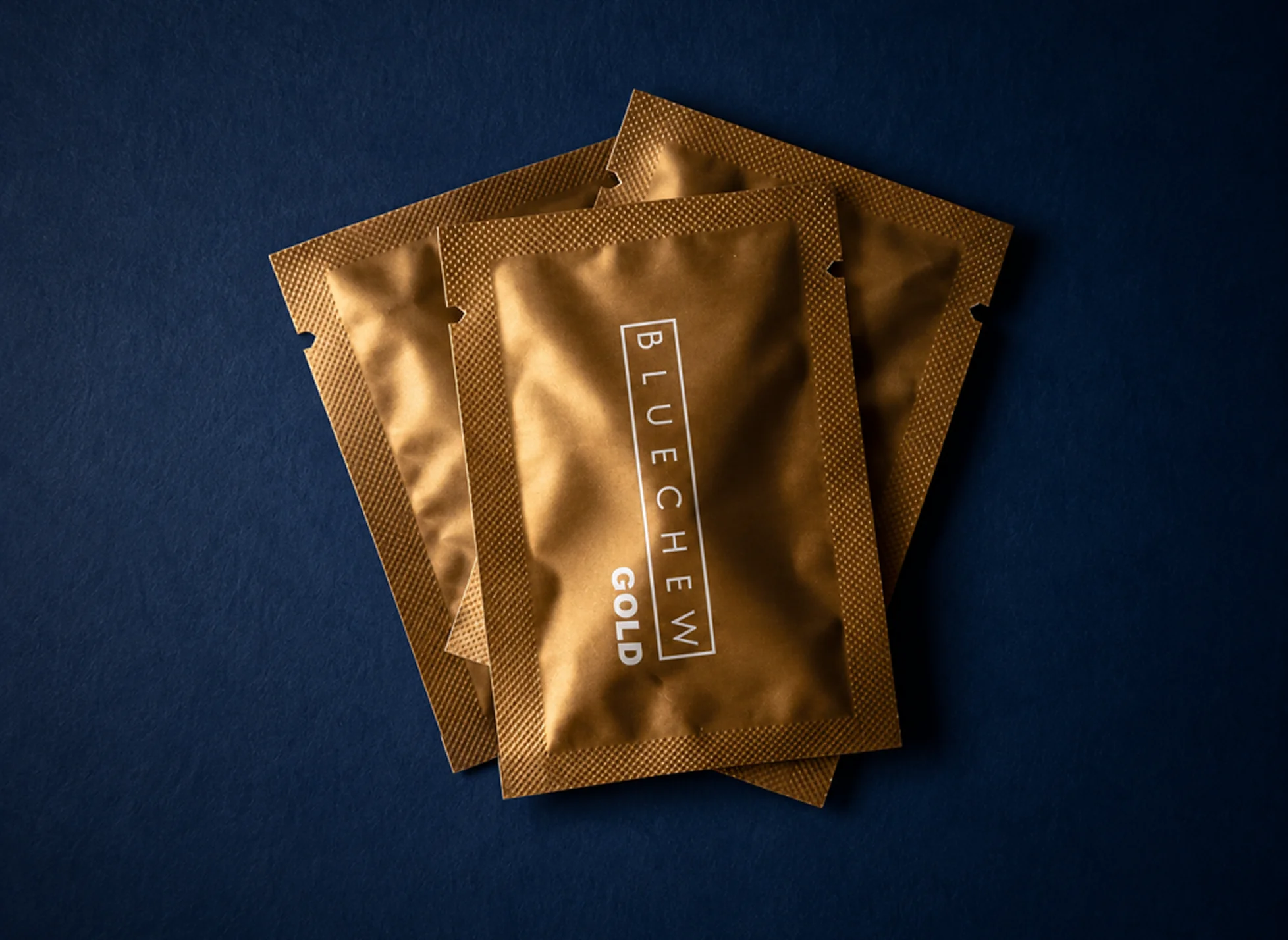
- GOLD: sildenafil, tadalafil, oxytocin, and apomorphine, lasts up to 36 hours
Your provider can help determine which option, if any, is appropriate for you given your health history and medications.
Final Thoughts
High cholesterol and ED are common, closely connected, and nothing to be embarrassed about. Both come down to the health of your blood vessels, which means caring for one often helps the other.
If you're noticing changes in your erections, don't brush them off, and don't quietly stop your cholesterol medication. Get your numbers checked, and bring it up with your provider. ED can be an early signal worth paying attention to.
PDE5 inhibitors can help many men with high cholesterol enjoy better erections, but they work best as part of a plan made with a provider who knows your full health picture.
Frequently Asked Questions
Can high cholesterol cause erectile dysfunction?
It can contribute. High cholesterol can lead to plaque buildup and damage the lining of blood vessels, limiting blood flow to the penis. Atherosclerosis, the artery narrowing that high cholesterol can cause, is a known cause of ED.
Do statins cause ED?
Research doesn’t indicate that statins cause ED. In fact, a meta-analysis found modest improvements in erectile function among men taking them. Individual responses can vary, so let your provider know if you notice erection changes after starting a statin.
Should I stop my cholesterol medication if I think it's causing ED?
No. Talk with your provider before stopping or changing your medication. Stopping treatment could increase your risk of heart attack and stroke. Your provider can help explore what’s causing the erection problems and may adjust your dose or recommend a different medication.
Will lowering my cholesterol improve my erections?
It may help, but results vary. Some trials have linked statins to improved erectile function. Lifestyle changes, including weight loss and exercise, have also helped some men with ED. However, lasting blood vessel damage may mean erection problems continue. If that happens, your provider may recommend an ED treatment, such as a PDE5 inhibitor.
Is it safe to take ED medication with statins?
Many men can take statins and ED medication together with a provider’s guidance. In one small trial, adding atorvastatin improved erections in men who had not responded well to sildenafil alone. Before prescribing treatment, your provider should review your medications and heart health, especially if you’ve recently had a heart attack or stroke. PDE5 inhibitors must never be taken with nitrates.
Can ED be a sign of heart disease?
Sometimes, erection problems can be an early sign of heart or blood vessel disease. In one study, ED began before coronary artery disease was detected in 93% of the men studied—usually about two years earlier. A separate meta-analysis linked ED to a 48% higher risk of cardiovascular disease. If you notice erection changes, ask your provider whether you should have your heart health and cholesterol checked.
Can I use BlueChew if I have high cholesterol?
You may be eligible depending on your overall health and the medications you take. During the online intake, you’ll provide your medical history and medication list. A licensed provider will review this information to determine whether treatment is right for you.
BLUECHEW EDITORIAL STANDARDS
This article is provided for informational purposes only and does not constitute medical advice. The information presented is not a substitute for professional medical advice, diagnosis, or treatment. Always consult your healthcare provider to discuss the risks, benefits, and appropriateness of any treatment.
BlueChew offers access to healthcare providers who may prescribe compounded medications for the treatment of erectile dysfunction.
The featured products include compounded medications that have not been approved by the FDA. Compounded medications may be prescribed under federal law but are not the same as, nor are they generic versions of, any FDA-approved medication. The FDA does not review compounded medications for safety, effectiveness, or manufacturing quality of compounded products. A prescription will only be written if deemed appropriate after the digital consultation by the licensed medical provider. Individual results may vary.
BlueChew is not a compounding pharmacy but a telemedicine service that links patients to licensed medical providers.
RELATED ARTICLES



Have Better Sex
- 100% online process
- No office visit required
- Discreet shipping, if prescribed
*Prescription products require an online review by a licensed provider. Restrictions apply.

 Medically reviewedEvery article is reviewed by a licensed provider on the BlueChew medical team.