Finasteride and Sexual Side Effects: What the Research Says
Finasteride is one of the 5-alpha reductase inhibitors used to treat male androgenetic alopecia and benign prostatic hyperplasia, or BPH. It reduces the conversion of testosterone into dihydrotestosterone, commonly called DHT.
Finasteride can provide benefits for its approved uses, but sexual side effects have been reported. A recent review of sexual dysfunction associated with 5-alpha-reductase inhibitors found that sexual adverse events occurred in a minority of participants in controlled trials. The reported findings differed according to the dose, formulation, study design, treatment duration, and condition being treated.
Key Takeaways
- Finasteride is used to treat male androgenetic alopecia and BPH
- It lowers DHT by inhibiting type II 5-alpha-reductase
- Sexual adverse events have been reported during treatment
- Possible symptoms include erectile difficulties, reduced sexual desire, and ejaculatory changes
- Findings differ between studies of hair-loss treatment and studies of BPH treatment
- Persistent symptoms after discontinuation have been reported, but their frequency and causes remain uncertain
- A symptom beginning during treatment does not establish that finasteride is the only cause
- Finasteride should not be stopped or adjusted without consulting the prescribing clinician
- BlueChew may provide access to ED treatment, but it does not diagnose or treat post-finasteride syndrome

What Is Finasteride?
Finasteride inhibits type II 5-alpha-reductase, an enzyme involved in converting testosterone into DHT. DHT contributes to androgen-related hair loss and prostate growth.
By reducing DHT, finasteride may slow the progression of male androgenetic alopecia or reduce prostate enlargement in patients with BPH. The dose used for hair loss generally differs from the dose used for BPH.
The two treatment populations should not be treated as interchangeable. People receiving finasteride for BPH may have different medical conditions, urinary symptoms, medications, and baseline sexual function from people receiving it for hair loss.
Findings from one treatment group should therefore not be applied automatically to the other.
Possible Sexual Side Effects
A review of finasteride and erectile dysfunction describes a possible association between 5-alpha-reductase inhibitor treatment and male sexual dysfunction. It also notes continuing uncertainty about the severity and persistence of these effects.
Reported sexual symptoms include:
- Difficulty getting an erection
- Difficulty maintaining an erection
- Reduced sexual desire
- Changes in ejaculation
- Lower semen volume
- Changes in orgasm
- Reduced genital sensation
Not every patient taking finasteride develops these symptoms. Studies also use different definitions of sexual dysfunction, which makes direct comparisons difficult.
A new sexual symptom may have more than one contributing factor. The timing of treatment is relevant, but timing alone cannot confirm that finasteride caused the symptom.
Why Study Results Differ
The evidence does not provide one universal sexual side-effect rate for finasteride.
Studies have differed in several important ways:
- The dose of finasteride
- The condition being treated
- Oral or topical administration
- Treatment duration
- Participant health
- Sexual function before treatment
- The definition of a sexual adverse event
- The method used to collect symptoms
- The length of follow-up
- The presence or absence of a placebo group
A percentage from one trial should not be used to predict what will happen to an individual patient. It also should not be applied to a different dose, formulation, or treatment indication without appropriate evidence.
For this reason, the article does not provide a single percentage for the likelihood of erectile dysfunction, reduced desire, or ejaculatory changes.
Does the Dose Determine the Risk?
The dose used for BPH is generally higher than the dose used for male pattern hair loss. However, dose alone does not determine whether a patient will experience sexual symptoms.
People receiving treatment for BPH may already have health concerns that affect sexual function. People receiving treatment for hair loss may have a different baseline risk profile.
These differences make it difficult to compare side-effect findings based only on dose. A lower dose should not be described as free of sexual risk, while a higher dose does not mean that symptoms are inevitable.
Patients should not reduce the dose, skip doses, or change their treatment schedule without consulting the prescribing clinician.

Persistent Symptoms After Finasteride
Persistent sexual symptoms after stopping finasteride have been described in published case reports and case series. A review of enduring sexual dysfunction after treatment with 5-alpha-reductase inhibitors examined reports involving erectile difficulties, reduced sexual desire, changes in genital sensation, and other symptoms continuing after discontinuation.
The existing evidence has important limitations:
- Some reports involve patients selected because they already had persistent symptoms
- Baseline sexual health was not always documented
- Definitions of persistence differ
- Some studies did not include comparison groups
- Many outcomes were self-reported
- Other physical or psychological contributors may not have been fully assessed
These limitations do not mean that reported symptoms should be dismissed. They mean that the current evidence cannot establish how often persistent symptoms occur or determine a single cause for every case.
Persistent symptoms deserve an individualized medical evaluation.
What Is Post-Finasteride Syndrome?
Post-finasteride syndrome is a term used for sexual, physical, cognitive, or psychological symptoms reported after finasteride has been discontinued.
The term describes a reported pattern of symptoms. It does not identify a single confirmed mechanism, and it does not provide a way to predict who will experience persistent problems.
Symptoms attributed to the syndrome may overlap with other conditions. Erectile difficulties, reduced desire, emotional distress, sleep disruption, medication effects, and other health concerns can occur independently of finasteride.
A healthcare provider may need to consider several possible contributors rather than assuming that one explanation accounts for every symptom.
A Symptom Does Not Prove Causation
A sexual symptom beginning after finasteride is started may support considering the medication as one possible contributor. It does not prove causation on its own.
Relevant questions may include:
- When did the symptom begin?
- Was sexual function different before treatment?
- Did the symptom change when treatment changed?
- Are erections still present during sleep or masturbation?
- Has sexual desire changed?
- Are ejaculation or orgasm affected?
- What other medications or supplements are being used?
- Have sleep, stress, mood, or relationship circumstances changed?
- Are there other health conditions that may affect sexual function?
A careful history can help the clinician determine whether finasteride, another condition, another medication, or several overlapping factors may be involved.

What to Do if Symptoms Develop
Contact the clinician who prescribed finasteride before making changes.
The clinician may review:
- Why finasteride was prescribed
- The dose and treatment history
- When the symptoms began
- Sexual function before treatment
- Other medications and supplements
- Existing medical conditions
- Whether another treatment option is appropriate
- Whether evaluation by another specialist is needed
The decision to continue, modify, or stop treatment depends on the reason for treatment, the severity of the symptoms, alternative options, and the patient’s preferences.
Someone using finasteride for BPH may face different considerations from someone using it for hair loss. Treatment decisions should reflect the underlying condition rather than relying on general online advice.
Treatment Decisions for Hair Loss
A person taking finasteride for hair loss may discuss the balance between hair-related benefits and unwanted sexual symptoms with a dermatologist or prescribing clinician.
Possible decisions may include:
- Continuing treatment with monitoring
- Changing the treatment plan
- Discussing another hair-loss option
- Stopping treatment under clinical guidance
- Evaluating another possible cause of the symptoms
No alternative should be presented as universally safer or equally effective for every patient.
Topical and oral formulations should also not be treated as identical. Evidence from one formulation should not automatically be applied to another.
Treatment Decisions for BPH
A patient taking finasteride for BPH should discuss urinary symptoms, prostate care, and sexual concerns with the prescribing clinician or urologist.
The decision may depend on:
- The severity of urinary symptoms
- Prostate enlargement
- Response to treatment
- Other BPH medications
- Blood-pressure considerations
- Sexual side effects
- Other available treatments
Finasteride prescribed for BPH should not be stopped without discussing how the change could affect the underlying condition.
Evaluating Erectile Dysfunction
Erectile dysfunction may involve medication effects, vascular health, metabolic health, hormone concerns, psychological factors, relationship circumstances, or several contributors at once.
A medical review may include:
- The timing and pattern of the symptoms
- Sexual function before finasteride
- Current prescriptions
- Supplements and nonprescription products
- Existing medical conditions
- Previous ED treatment
- Mood, stress, and sleep
- Alcohol, nicotine, or recreational drug use
The purpose of this evaluation is not to dismiss a possible finasteride effect. It is to avoid overlooking another cause that may also require treatment.
Approaches to ED Treatment
A healthcare provider may discuss ED treatment after reviewing the likely causes, current medications, cardiovascular history, and patient preferences.
Possible approaches may include:
- Reviewing medications
- Addressing another contributing health condition
- Counseling or sexual therapy
- Prescription ED medication
- Vacuum erection devices
- Injectable treatment
- Surgical treatment
The appropriate option differs from patient to patient. No treatment should be described as guaranteed to reverse a sexual symptom attributed to finasteride.
PDE5 Inhibitors and Finasteride-Related ED
Sildenafil, tadalafil, and vardenafil belong to a medication class used for erectile dysfunction.
However, the general use of these medications for ED does not establish that they reverse finasteride’s hormonal effects or resolve persistent post-finasteride symptoms.
A licensed healthcare provider should review:
- The possible cause of the erectile difficulties
- Current and previous finasteride use
- Other prescriptions
- Cardiovascular conditions
- Blood-pressure concerns
- Previous responses to ED medication
- Persistent sexual or psychological symptoms
A prescription may help an appropriate patient manage erectile symptoms. It should not be presented as a proven treatment for post-finasteride syndrome.
Where BlueChew May Fit
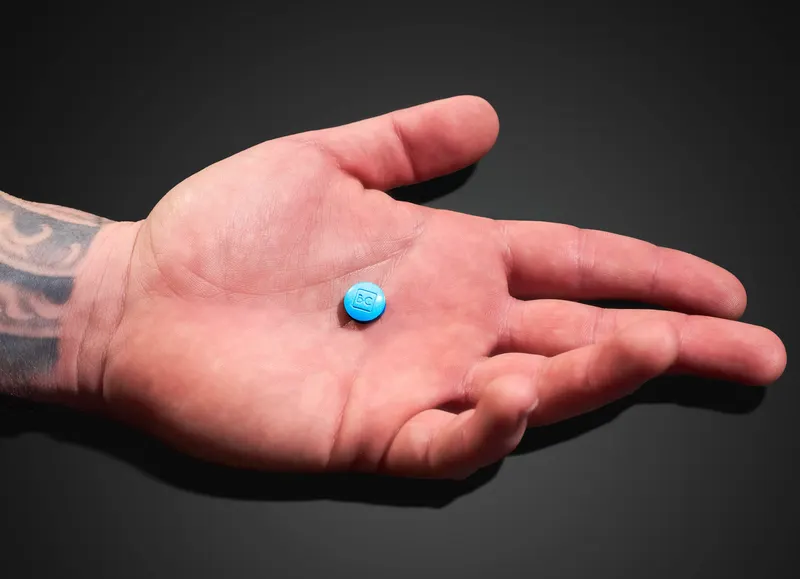
Sexual symptoms that develop during or after finasteride treatment require a broader medication and health review. BlueChew may provide access to an ED consultation, but it does not determine whether finasteride caused the symptoms.
BlueChew is a telemedicine service that connects patients with licensed healthcare providers who may prescribe compounded medications for erectile dysfunction when medically appropriate.
A patient completing the digital intake should disclose:
- Current or previous finasteride use
- Why finasteride was prescribed
- The dose and treatment history
- When the sexual symptoms began
- Whether symptoms continued after treatment changed
- All current prescriptions
- Supplements and nonprescription products
- Cardiovascular or blood-pressure conditions
- Existing dermatology or urology care
A licensed provider reviews the information and determines whether an ED prescription is appropriate. Persistent sexual, hormonal, cognitive, or psychological symptoms may require care beyond an ED consultation.
BlueChew’s current product lineup includes:
- SIL: 45 mg sildenafil
- TAD: 9 mg tadalafil
- VAR: 8 mg vardenafil
- DailyTAD: 9 mg tadalafil with seven essential vitamins
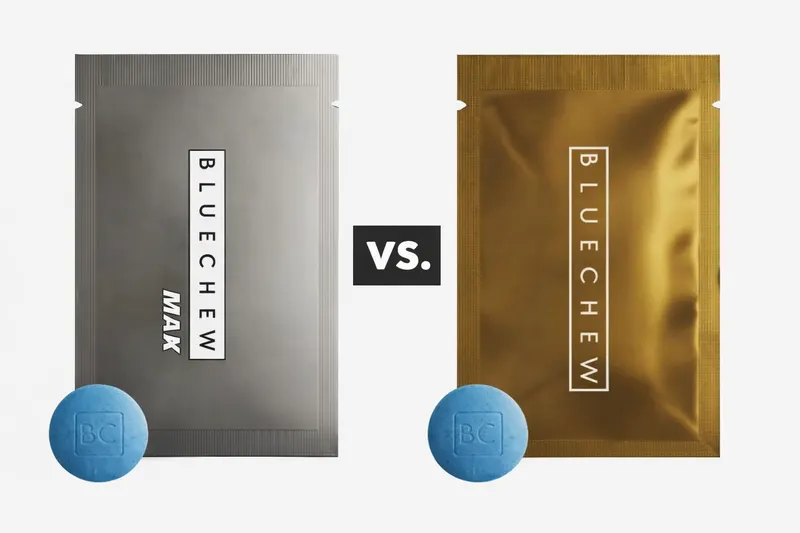
- MAX: 45 mg sildenafil with 18 mg tadalafil
- VMAX: 14 mg vardenafil with 18 mg tadalafil
- GOLD: Sildenafil, tadalafil, oxytocin, and apomorphine in a sublingual formulation
The appropriate formulation and dosage depend on the licensed provider’s assessment. A product should not be presented as more suitable simply because it contains additional ingredients.
BlueChew is not a compounding pharmacy. The products available through the service are compounded medications that have not been approved by the FDA and are not the same as, or generic versions of, FDA-approved medications.
An ED prescription may help manage erectile symptoms in an appropriate patient. It should not be described as reversing finasteride’s effects, curing persistent symptoms, or treating associated cognitive or psychological concerns.
How To Get Medication Through BlueChew
Interested in getting your hands on a prescription for BlueChew? BlueChew has got you covered.
Select a plan, complete an online intake, and you’re done. A medical provider will review your information and, if appropriate, prescribe your plan, which will be shipped directly to your door.
No doctor appointments or patient support charges make it a stress-free experience.
Plus, there’s no commitment. You can easily cancel or switch plans anytime. Click here to explore all plan options for treatments at BlueChew.

Frequently Asked Questions
Does finasteride always cause sexual side effects?
No. Sexual adverse events were reported by a minority of participants in controlled trials. Findings differed according to the dose, formulation, treatment indication, and study design. An individual outcome cannot be predicted from one study or percentage.
Can finasteride cause erectile dysfunction?
Erectile difficulties have been reported during finasteride treatment. However, erectile dysfunction can have multiple contributing factors, and a symptom beginning during treatment does not establish causation by itself. A clinician should review the timing, health history, other medications, and baseline sexual function. Finasteride should not be assumed to be the only possible cause.
Can symptoms continue after finasteride is stopped?
Persistent sexual symptoms have been reported after discontinuation. The available evidence does not establish how often this happens or identify one confirmed cause for every case. Existing studies also have methodological limitations. Continuing symptoms deserve an individualized medical evaluation.
Should I stop finasteride if sexual symptoms begin?
Do not change a prescribed treatment without speaking to the prescriber. The decision depends on why finasteride is being used, the severity of the symptoms, other possible causes, and available alternatives. The clinician can review whether continuing, changing, or stopping treatment is appropriate. Different considerations may apply to hair-loss and BPH treatment.
Does BlueChew treat post-finasteride syndrome?
No. BlueChew provides access to licensed healthcare providers who may prescribe compounded medications for erectile dysfunction when medically appropriate. It does not diagnose or treat post-finasteride syndrome as a broader condition. Persistent sexual, cognitive, hormonal, or psychological symptoms may require evaluation by other healthcare specialists.
This article is provided for informational purposes only and does not constitute medical advice. The information presented is not a substitute for professional medical advice, diagnosis, or treatment. Always consult your healthcare provider to discuss the risks, benefits, and appropriateness of any treatment.
BlueChew offers access to healthcare providers who may prescribe compounded medications for the treatment of erectile dysfunction.
The featured products include compounded medications that have not been approved by the FDA. Compounded medications may be prescribed under federal law but are not the same as, nor are they generic versions of, any FDA-approved medication. The FDA does not review compounded medications for safety, effectiveness, or manufacturing quality of compounded products. A prescription will only be written if deemed appropriate after the digital consultation by the licensed medical provider. Individual results may vary.
BlueChew is not a compounding pharmacy but a telemedicine service that links patients to licensed medical providers.
Other Helpful Articles